

‘Porridge that shows real promise—even if it never quite breaks free’
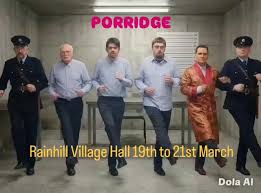
Individuality Productions serves up a brand-new helping of Porridge, originally aired on the BBC between 1974 and 1977, this much-loved British sitcom is set in the fictional HMP Slade prison. Rooted in the quiet madness of characters forced into conformity and institutionalisation, the rhythm of which, doesn’t automatically make its transfer onto the stage an easy task. This production shows flashes of real promise with the ensemble retaining the sitcom’s authentic charm.
Legendary comedy writers Dick Clement and Ian La Frenais created a show with a strong character focus, and his iconic portrayal of repeat offender ‘Fletcher’, established Ronnie Barker as a leading actor in his own right. Stepping into Fletcher’s shoes is Leslie Longley who delivers a capable, grounded performance. He captures the cheeky cynical, and quick-witted one-liners well, allowing for some laugh out loud moments.
A soundscape announcing Fletcher’s sentencing opens the show, a habitual criminal, he is sent down to do porridge for five years. Leading the prison’s rigid hierarchy is Kevin Thomas as prison guard Mackay, embodying his dictatorial presence which steadily amplifies throughout, eventually embracing his full Gestapo.
Visually, the set design evokes a tired, cold, and oppressive prison environment very well. The familiarity of Fletcher lounging on his top bunk in his cell is a joy to see and nice that this is placed at the forefront on a thrust stage. The folding set used to transition between locations such as the infirmary and yard is practical, but often feels overcomplicated, disrupting the flow rather than enhancing it.
Incorporating the scene changes as part of the action, with the actors adjusting the set, would place them already on scene ready for the next moment. Also, the use of soundscapes especially for the communal areas of the prison would help expand this fictional world.
Where the show truly comes alive is in its dynamic and energetic ensemble work. The boxing scene, in particular, is a standout, full of sharp comic timing and physicality. Mike Sanders as Scottie McLaren packs a punch with a confident and engaging performance. In contrast, some of the other performances beyond the ensemble scenes, lack the same assurance, occasionally feeling slightly tentative.
Christopher Lee Power adds a strong dual performance as the intimidating inmate Grout, and the prison doctor, Dr Jessell. As Grout, donned in his silk dressing gown, chugging on a cigar, he relishes the character’s menace and manipulation, particularly his meddling in the rigged boxing match.
Design elements are largely effective. The costumes blue-and-white striped shirts paired with prison trousers feel authentic and help reinforce the setting, while the lighting emphasises the harshness of prison life. However, greater depth could have been created with the reconfiguration of certain areas, such as the canteen and visitor space, making the action within them more visually appealing.
Ultimately, Porridge remains a story about survival, friendship, and conflicts with authority. Its poignant social commentary comes from its colourful plethora and characters, which this production understands. Directed by Tony Dagnall, he captures the claustrophobia and absurdity of prison life, however adding further theatrical elements and broader creative choices will allow the performance to break beyond its stillness.
Review date: 21st March 2026
Star Rating: THREE